The Art of Sicilian Ceramics
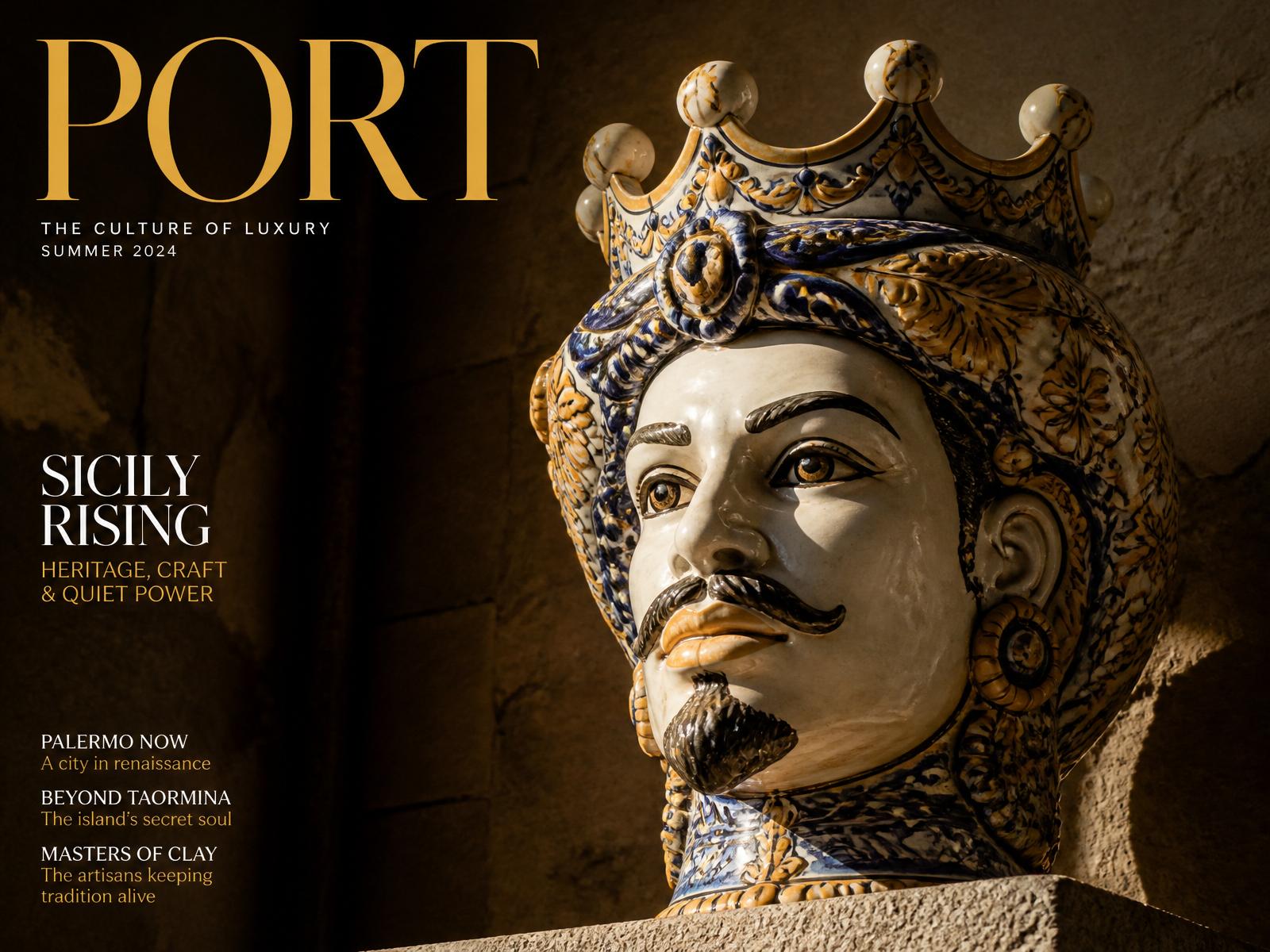
On Teste di Moro, cobalt and ochre — how a folk tradition became a language for contemporary interiors.
The Testa di Moro began as a story — a warning, a proverb, a piece of moral theatre pressed into painted clay. For centuries it lived on balconies and windowsills, filled with basil, framed by lemon trees. Its purpose was small and specific: to hold a plant, to catch the eye, to mark a house.
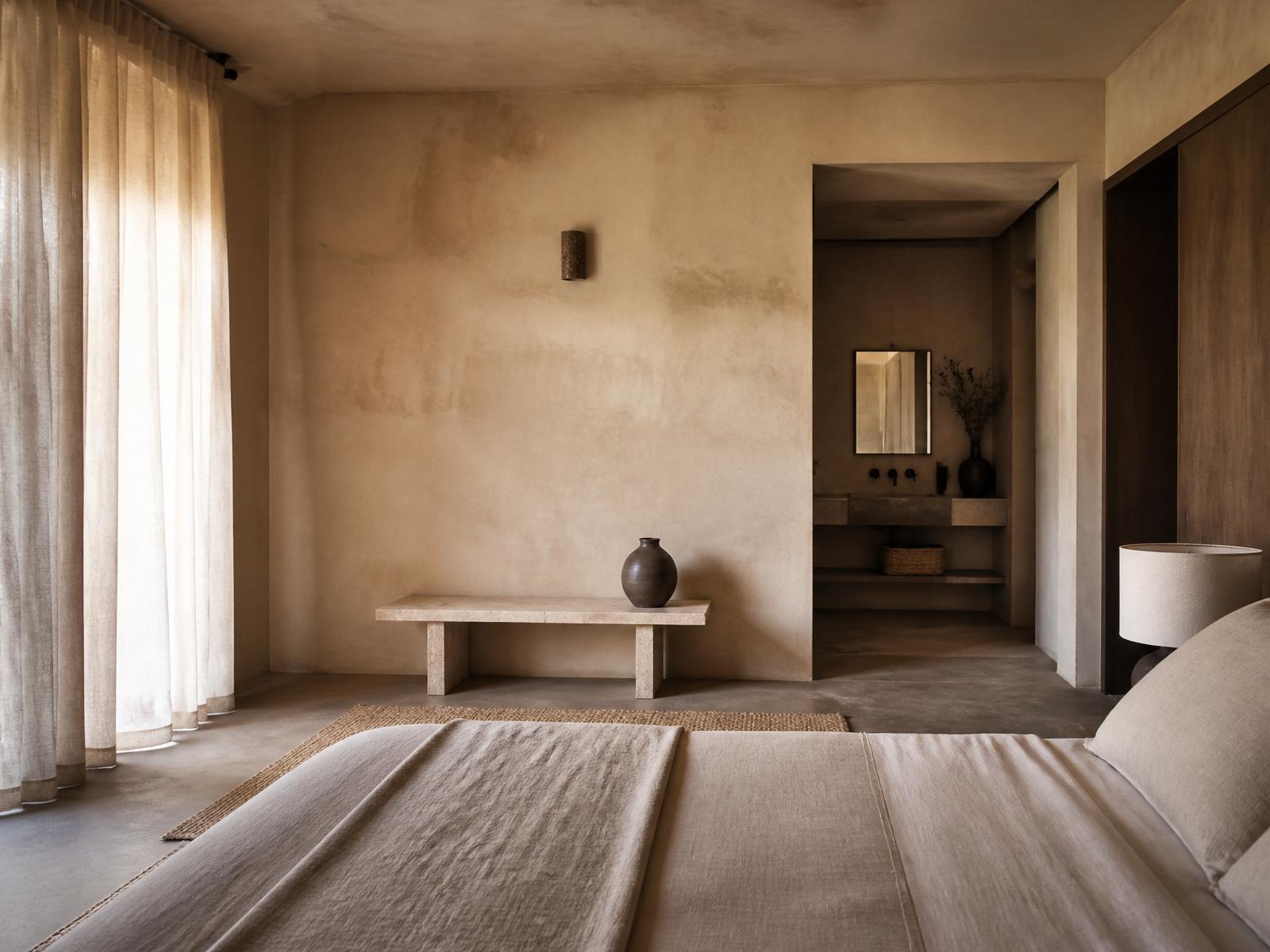
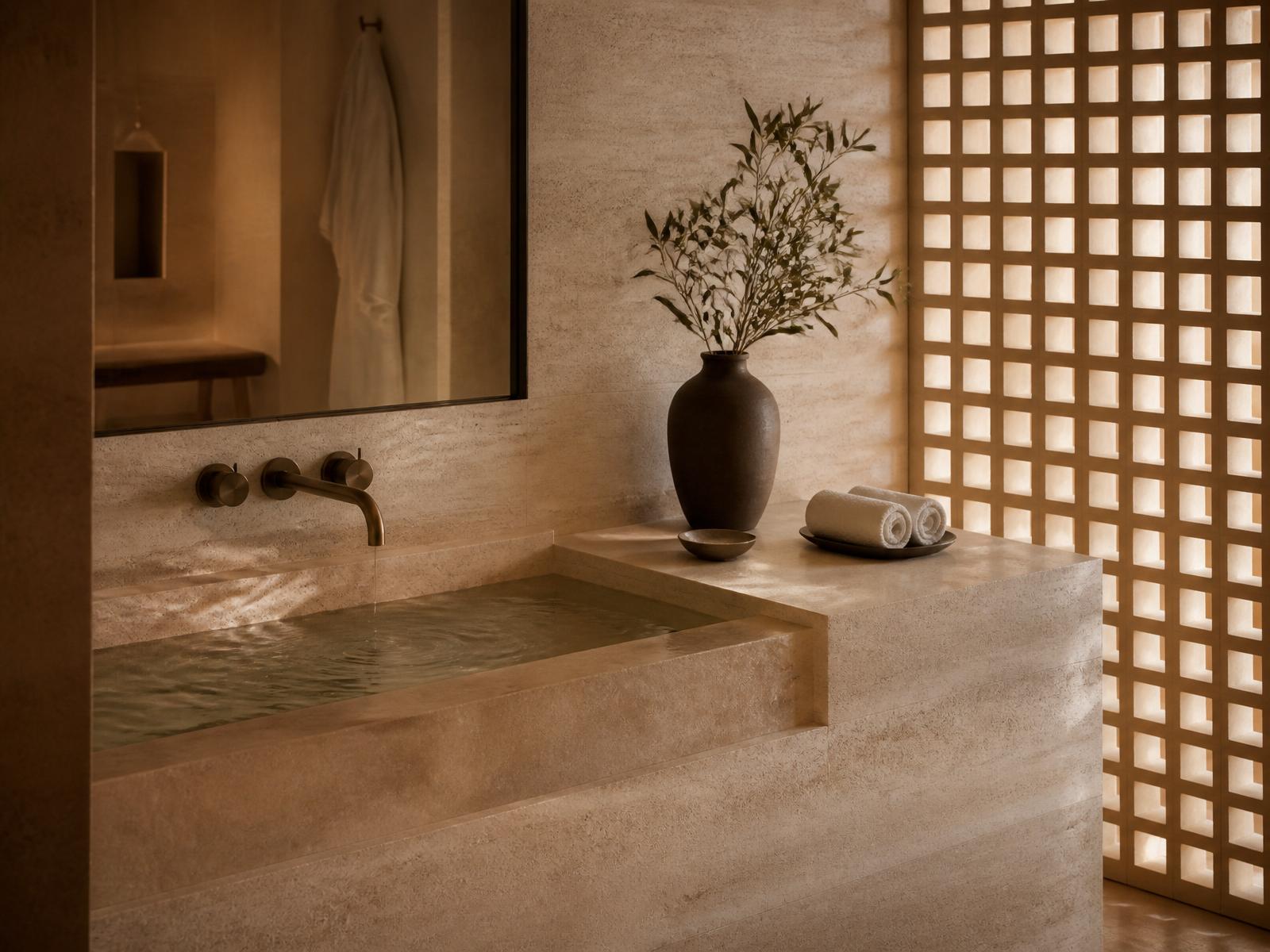
What has changed is not the object. It is the room. Interiors have grown quieter, more architectural, more considered — and objects with genuine cultural weight now register differently in them. A Testa di Moro placed on a plaster shelf in a low-lit hotel lobby no longer reads as folklore. It reads as presence.
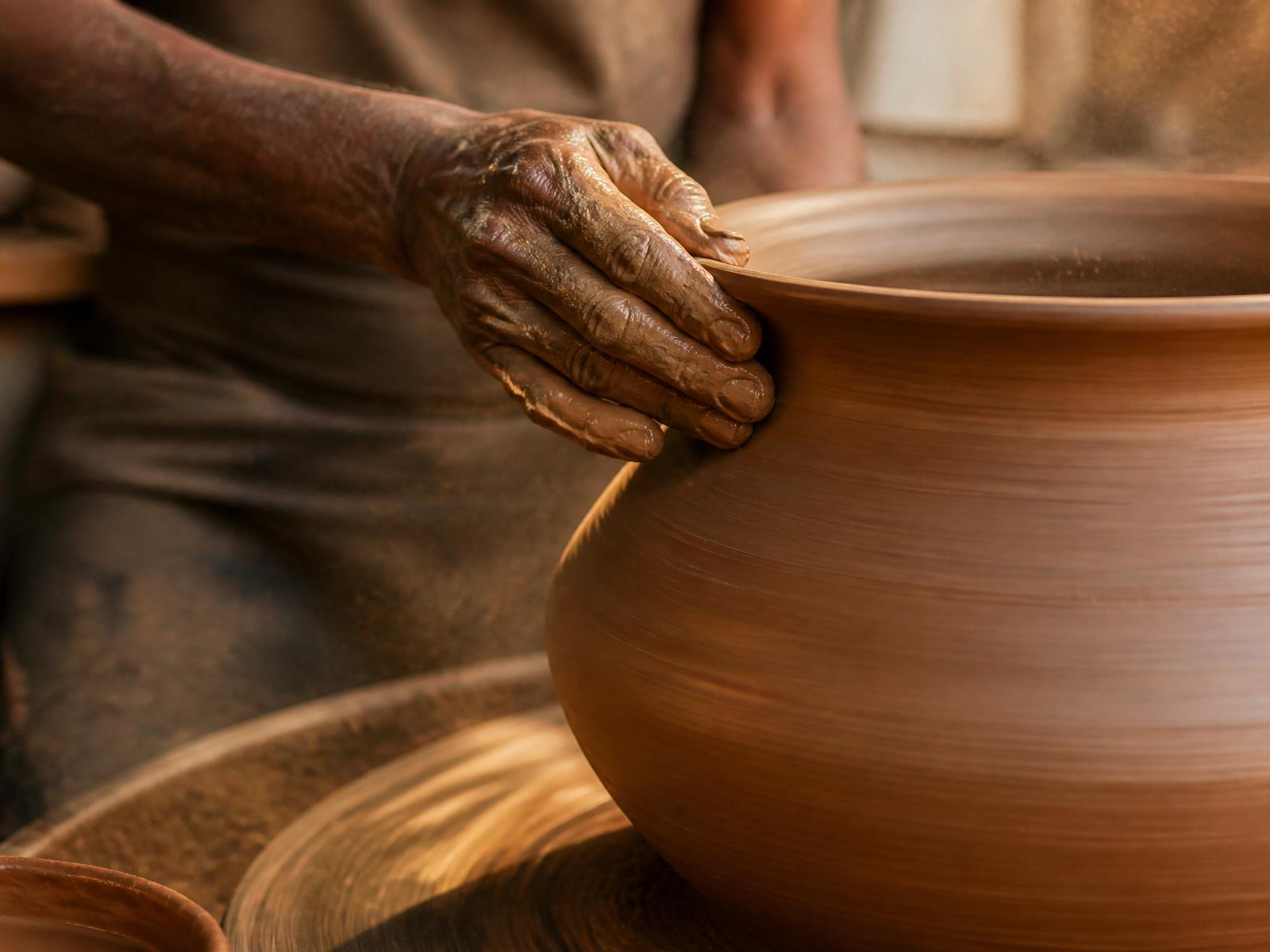
The best contemporary examples still come from the towns that have been making them for generations. The forms are hand-thrown, the glazes hand-painted, the cobalt and ochre laid in the sequence a master painter learned as an apprentice. There is a tolerance for irregularity — a slight lean, an uneven crown — that machines cannot produce and that no serious interior would want to lose.
We approach these pieces the way we approach any object in the ARVEMIO catalogue: quietly. One or two per room, positioned like sculpture rather than décor. The tradition speaks for itself; our contribution is restraint.